Balinese Culture Explained: Religion, Language, Names, Offerings and Calendar
Bali is the only Hindu-majority province in Indonesia, and religion shapes almost everything you see: offerings on every step, temples in every village, processions that stop traffic. This guide explains the basics so the island makes more sense.
By Aleks & Ria Facts checked 12 November 2026 4 min read
- Religion
- Mostly Balinese Hinduism
- Languages
- Balinese and Indonesian
- First child
- Often named Wayan, Putu or Gede
- UNESCO
- Subak rice landscape, 2012
Some links are partner links: if you book through them we may earn a commission at no cost to you. Partners never choose what we recommend.
Most Indonesians are Muslim, but most Balinese follow Agama Hindu Dharma, a form of Hinduism that blends Indian traditions with older Balinese beliefs about ancestors, nature spirits and balance. It is less a Sunday religion than a rhythm of daily life. Every household makes offerings, every village has several temples, and every person belongs to a community that organises ceremonies from birth to cremation. Understanding a few basics makes the island far more interesting, and helps you behave well in it.
Plan this trip
Partner links. Prices are approximate.
Balinese culture in brief
-
Religion
- What to know
- Balinese Hinduism, practised by most people on the island
-
Core idea
- What to know
- Tri Hita Karana: harmony with God, with people and with nature
-
Languages
- What to know
- Balinese at home and in ceremonies; Indonesian everywhere; English in tourism
-
Community
- What to know
- The banjar, a village ward that organises ceremonies, cremations and work
-
Farming
- What to know
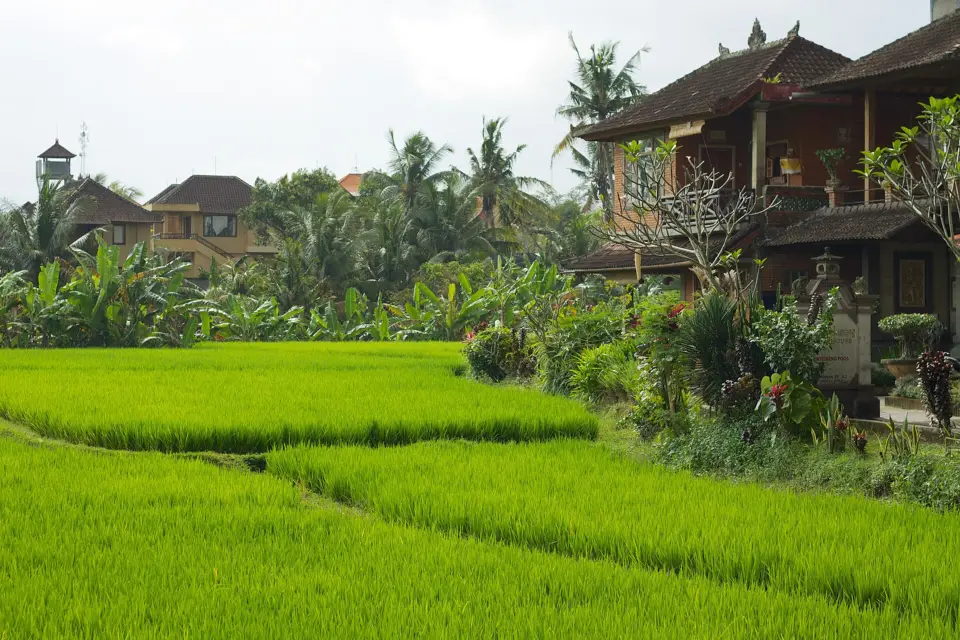
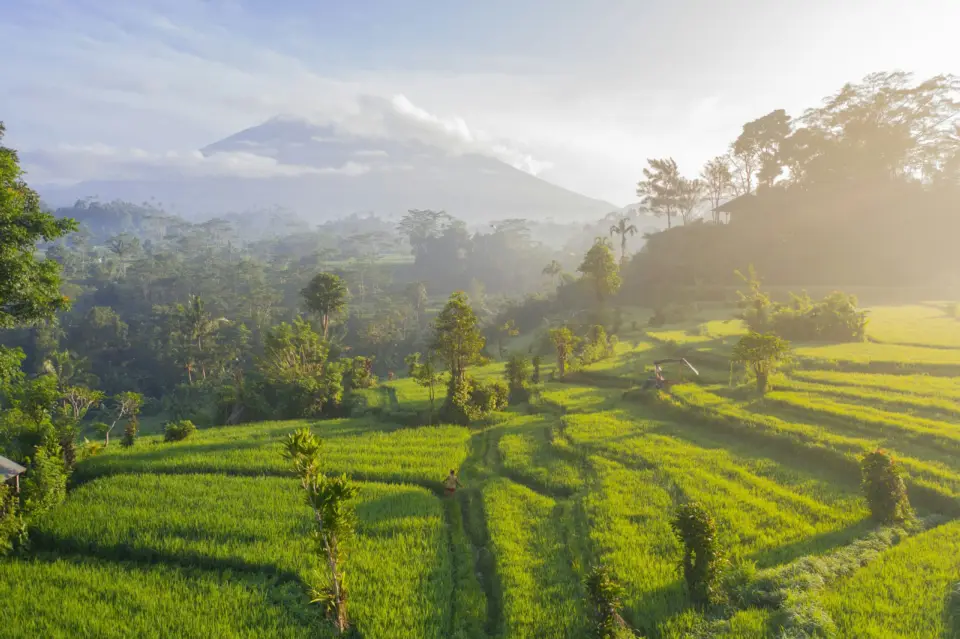
- Subak, the cooperative water system for rice, on UNESCO’s World Heritage List since 2012
-
Calendars
- What to know
- The 210-day pawukon and the lunar saka calendar set festival dates
-
Arts
- What to know
- Dance, gamelan music, carving and painting are part of temple life, not just shows
Why so many people are called Wayan
Most Balinese names start with a birth-order name, the same for boys and girls:
- First child: Wayan, Putu or Gede
- Second child: Made, Kadek or Nengah
- Third child: Nyoman or Komang
- Fourth child: Ketut
The fifth child starts again with Wayan, sometimes as Wayan Balik. A prefix often shows gender: I for men and Ni for women, as in I Wayan or Ni Made. Families from the three upper castes use titles instead, such as Ida Bagus (Brahmana), Anak Agung or Cokorda (Ksatria) and Gusti (Wesia). Caste today matters mainly in religious roles and in the polite form of Balinese used to address someone.
Offerings: canang sari
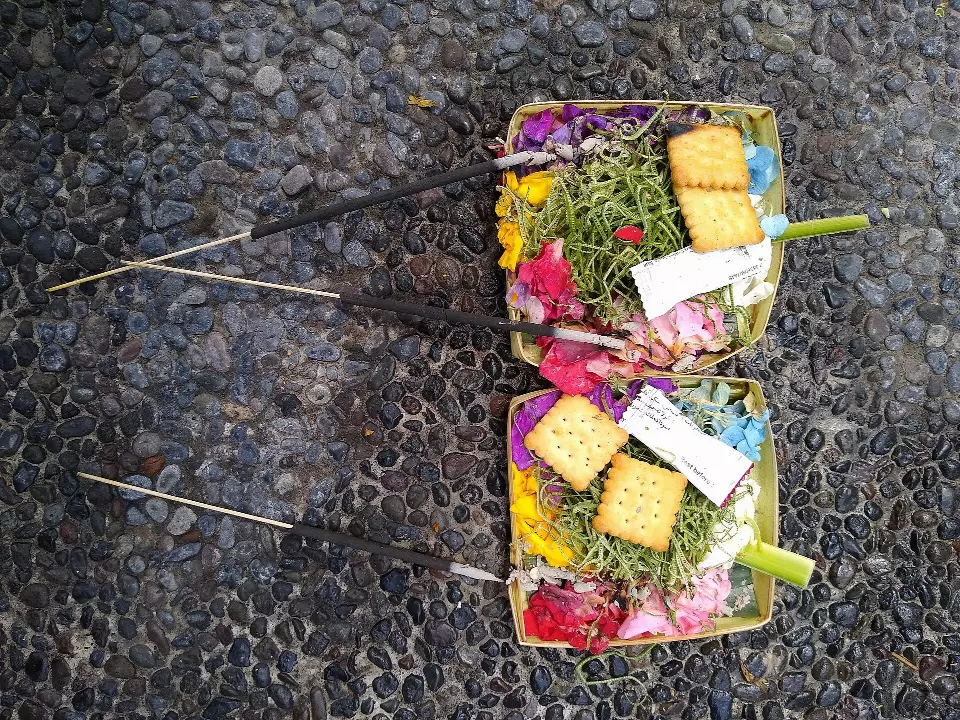
The small palm-leaf trays with flowers, rice and incense you see everywhere are canang sari. Families place them several times a day at shrines, doorways, crossroads and even on dashboards. Those on the ground are for the lower spirits, those on shrines for the gods. Step around them; if you tread on one by accident, there is no need to panic, but do not kick them aside.
Temples
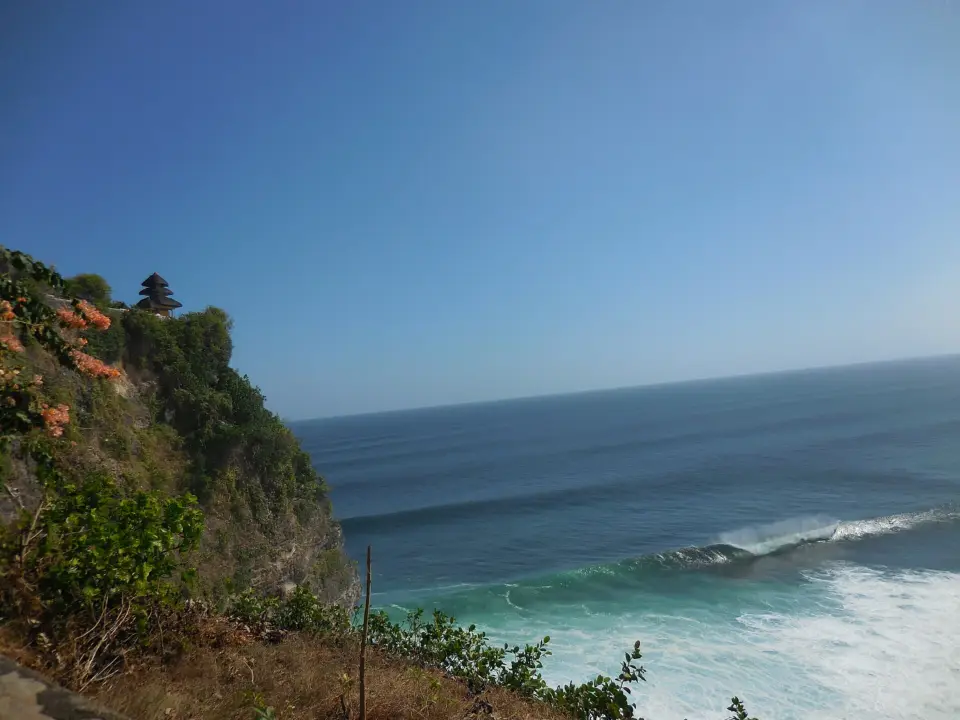
Every village has at least three temples: one for its founders, one for the village and one for the dead. Families have house temples, and there are great temples for the whole island, such as Besakih, Uluwatu and Tanah Lot. Each temple celebrates its anniversary, odalan, every 210 days, so on any day there is a festival somewhere. Visitors wear a sarong and sash; see our etiquette guide.
The two calendars
Balinese festivals follow two calendars at once. The pawukon has 210 days and sets Galungan, Kuningan, Saraswati and temple anniversaries, so they move against the Western calendar. The saka lunar calendar sets Nyepi and the full-moon (Purnama) and dark-moon (Tilem) days. Our Bali calendar lists the dates for 2027, and the Galungan guide and Nyepi guide explain the biggest holidays.
Life events
Ceremonies mark every stage of life: a baby’s first touch of the ground at three Balinese months, tooth filing in adolescence, weddings, and cremation, ngaben, which can take place long after death when the family can afford it. Cremation processions with tall towers are open to respectful onlookers; keep a distance and ask before taking photos.
See it with a guide
A local guide explains what you are looking at.
Partner links. Prices are approximate.
Read next: Bali etiquette rules, the best temples in Bali and melukat at Tirta Empul.
Balinese culture FAQ
What religion is Bali?
Most Balinese follow Balinese Hinduism, Agama Hindu Dharma, while most of Indonesia is Muslim.
What language do Balinese people speak?
Balinese at home and in ceremonies, and Indonesian everywhere. English is common in tourist areas.
Why are so many Balinese named Wayan, Made, Nyoman and Ketut?
These are birth-order names for the first, second, third and fourth child.
What are the little offerings on the ground?
Canang sari, daily offerings of flowers, rice and incense. Step around them.
What is a banjar?
A village ward and community council that organises ceremonies, cremations and shared work.
What is the subak?
The traditional cooperative system that shares water between rice farmers, recognised by UNESCO in 2012.
Ready to book?
The usual order: flights, first nights, airport pickup, insurance, data.
Partner links. Prices are approximate.
Official sources
- BPS Statistics Indonesia, Bali Province(opens in a new tab)
- Bali Provincial Government(opens in a new tab)
- Wonderful Indonesia(opens in a new tab)
Updated
Aleks & Ria
Authors of ogo!bali
Built by an expat and an Indonesian local, ogo!bali delivers clear, fresh advice from both sides of the island. We blend local insider secrets with practical travel tips to help you explore with confidence.
