Galungan and Kuningan 2027 in Bali: Dates, Penjor and What Changes for Visitors
Galungan comes twice in 2027, on 13 January and 11 August, because it follows Bali’s 210-day pawukon calendar. For ten days, streets are lined with tall bamboo penjor and families fill the temples. Here is what to expect and how to enjoy it as a guest.
By Aleks & Ria Facts checked 11 November 2026 4 min read
- Galungan 2027
- Wednesday 13 January and Wednesday 11 August
- Kuningan 2027
- Saturday 23 January and Saturday 21 August
- Cycle
- Every 210 days
- Effect
- Busy temples, some closures, beautiful streets
Some links are partner links: if you book through them we may earn a commission at no cost to you. Partners never choose what we recommend.
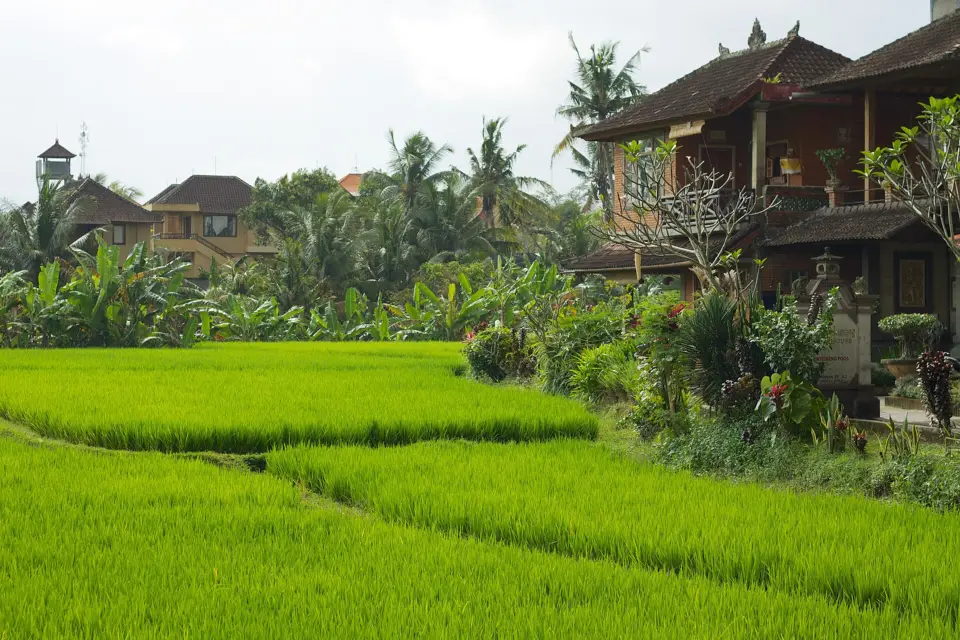
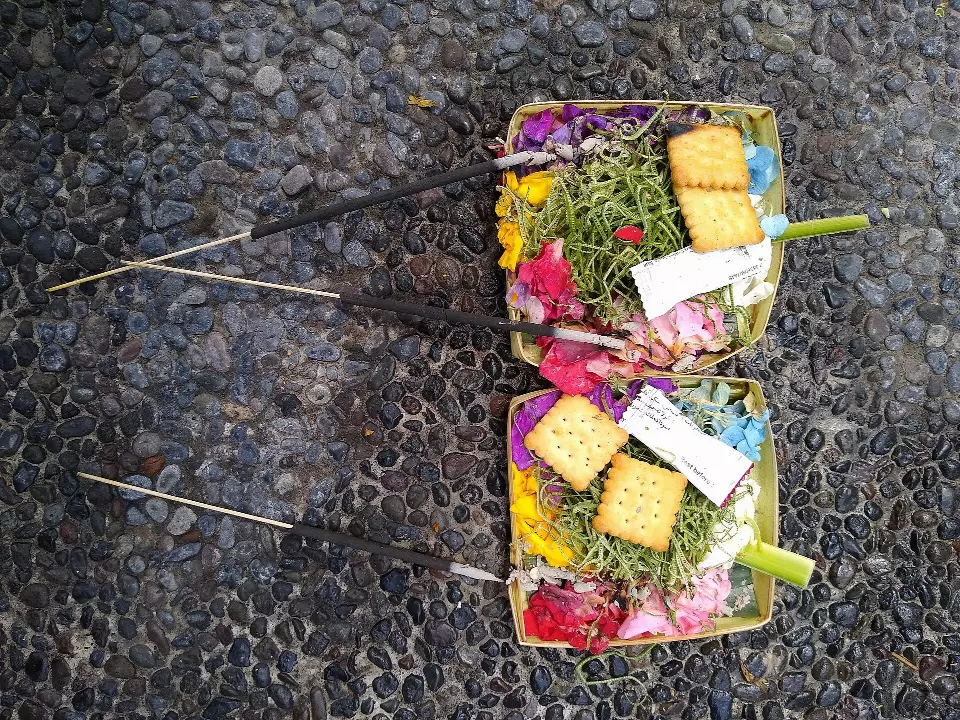
Galungan is one of the most important holidays in Balinese Hinduism. It celebrates the victory of dharma, good, over adharma, evil, and it is the time when ancestral spirits are believed to return to the family home. Kuningan, ten days later, marks their departure. Unlike Nyepi, the island does not stop. Instead, it becomes more beautiful: every village street is lined with penjor, tall arching bamboo poles hung with woven palm leaves, and families in white and gold carry towers of offerings to the temples.
Galungan and Kuningan dates
-
Penyajaan Galungan
- First cycle 2027
- Monday 11 January
- Second cycle 2027
- Monday 9 August
- What happens
- Making cakes and offerings
-
Penampahan Galungan
- First cycle 2027
- Tuesday 12 January
- Second cycle 2027
- Tuesday 10 August
- What happens
- Pigs slaughtered for the feast, penjor go up
-
Galungan
- First cycle 2027
- Wednesday 13 January
- Second cycle 2027
- Wednesday 11 August
- What happens
- Prayers at family and village temples
-
Manis Galungan
- First cycle 2027
- Thursday 14 January
- Second cycle 2027
- Thursday 12 August
- What happens
- Family visits and outings
-
Kuningan
- First cycle 2027
- Saturday 23 January
- Second cycle 2027
- Saturday 21 August
- What happens
- Yellow rice offerings, prayers end by midday
Dates follow the 210-day pawukon cycle. Galungan always falls on a Wednesday and Kuningan on a Saturday ten days later. Our [Bali calendar](/events/) has all 2027 dates and can be added to your phone.
Plan this trip
Partner links. Prices are approximate.
Why it comes twice a year
The Balinese pawukon calendar runs in cycles of 210 days rather than a solar year, so Galungan moves against the Western calendar and sometimes falls twice in one year. In 2027 it does: once in the January wet season and once in August, at the height of the dry season. The next Galungan after August 2027 is on Wednesday 8 March 2028.
What visitors notice
- Penjor everywhere. They go up the day before Galungan and stay for weeks. Villages often compete over the most elaborate ones, and roads in places like Penglipuran, Sidemen and around Ubud look spectacular.
- Busy temples. Families pray at home shrines, then village and family temples, often in the morning. Tourist temples such as Tirta Empul and Besakih stay open, but they are crowded with worshippers.
- Traffic. Many Balinese go home to their villages around Galungan, so roads out of Denpasar get busy, then quiet down on the day itself.
- Closures. Some family-run warungs, shops, drivers, spas and guesthouses close for a day or two around Galungan and Kuningan. Big hotels, restaurants and tourist services keep running.
- School holidays. Balinese schools usually have a short break around Galungan, so local beaches and parks are busy on Manis Galungan.
- Barong walks. In the days after Galungan, children and groups take the barong from house to house in a tradition called ngelawang. Have small coins ready if they stop at your door.
How to be a good guest
- Watch from the edge. You can usually watch from the outer courtyard (jaba) in a sarong and sash. Do not walk into the inner courtyard while people are praying.
- Never step on offerings on the ground, and walk around them on narrow paths.
- Do not block processions or stop in the middle of the road to photograph them. Pull over fully if you are driving.
- Ask before photographing people close up, especially children and priests. Photos of penjor and decorated streets are fine.
- Dress modestly in villages, even away from temples.
- Tip and thank your staff. Many hotels give Balinese staff time off. A little patience and a thank-you go a long way.
Planning your trip around Galungan
Galungan is a good reason to visit, not a reason to stay away. If you are on Bali for one of the cycles, base yourself in or near a village area such as Ubud, Sidemen or Munduk, rather than in the south, where you see less of it. Book drivers ahead for the days around Galungan, because some take time off. Keep island boat trips and long transfers for the days before or after. The August cycle overlaps with peak season and Indonesian Independence Day on 17 August, so book rooms early. See our Bali in August guide and the temples guide.
Stay where the villages are
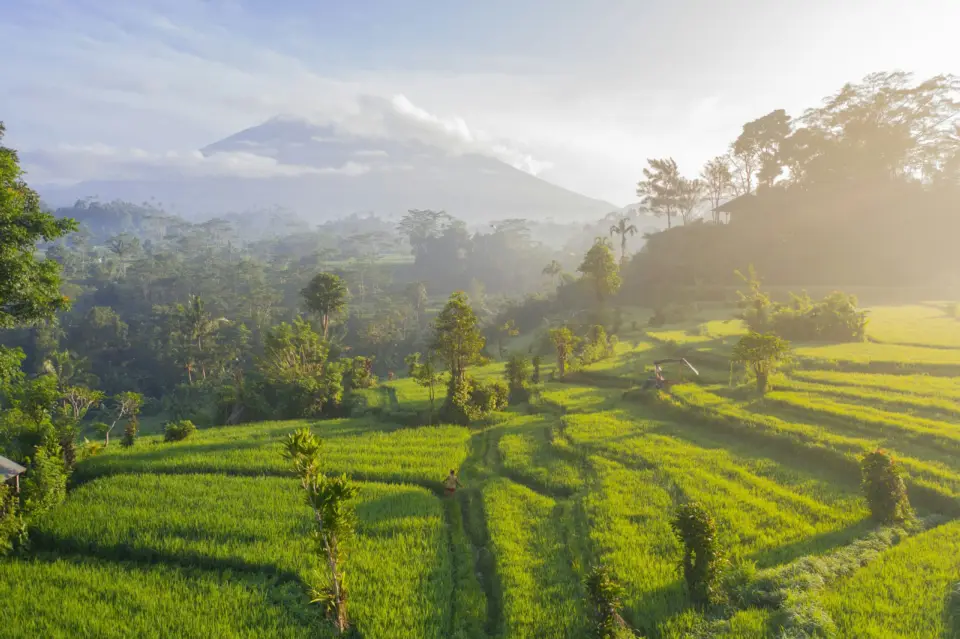
Ubud and Sidemen are the best places to see Galungan street life.
Partner links. Prices are approximate.
Galungan FAQ
When is Galungan in 2027?
Wednesday 13 January and Wednesday 11 August 2027. Kuningan follows ten days later, on 23 January and 21 August.
Why is Galungan twice in 2027?
It follows the 210-day pawukon calendar, so it sometimes falls twice in one solar year.
Is Bali closed for Galungan?
No. Unlike Nyepi, the airport, hotels and most tourist services stay open. Some small businesses close for a day or two.
Can tourists visit temples during Galungan?
Yes, usually from the outer courtyard, in a sarong and sash, without entering areas where people pray.
What is a penjor?
A tall curved bamboo pole decorated with palm leaves, rice and fruit, placed at the entrance of each home for Galungan. It symbolises Mount Agung and gratitude for prosperity.
Is it a good time to visit Bali?
Yes. It is one of the most beautiful times to see village life. Just book drivers ahead and expect busy temples.
Ready to book?
The usual order: flights, first nights, airport pickup, insurance, data.
Partner links. Prices are approximate.
Official sources
- Bali Provincial Government(opens in a new tab)
- Bali Provincial Tourism Office(opens in a new tab)
- Wonderful Indonesia(opens in a new tab)
Updated
Aleks & Ria
Authors of ogo!bali
Built by an expat and an Indonesian local, ogo!bali delivers clear, fresh advice from both sides of the island. We blend local insider secrets with practical travel tips to help you explore with confidence.
