
Best Temples in Bali: Which to Visit, Fees and When to Go
Choose three or four temples, not ten. Here is what each one is really like, what it costs and when to get there.
By Aleks & Ria Facts checked 11 November 2026 5 min read
- Best first pick
- Uluwatu at sunset
- Most sacred
- Besakih
- Typical fee
- IDR 50,000 to 150,000
- Bring
- Cash and a sarong
Some links are partner links: if you book through them we may earn a commission at no cost to you. Partners never choose what we recommend.
Bali has thousands of temples, and they start to blur if you try to see too many. For a first trip, we would pick one sea temple, one water temple and, if you have the time, one big mountain site. Remember that these are working places of worship, so a ceremony can change access on the day.
The main temples compared
-
Uluwatu
Google Maps(opens in a new tab)- Best for
- Cliffs, sunset, Kecak
- Foreign adult fee
- About IDR 60,000, Kecak about IDR 150,000
- Best time
- From 4:30 PM
-
Tanah Lot
Google Maps(opens in a new tab)- Best for
- The classic rock temple
- Foreign adult fee
- About IDR 75,000
- Best time
- Early morning, sunset is packed
-
Tirta Empul
Google Maps(opens in a new tab)- Best for
- Holy spring purification
- Foreign adult fee
- About IDR 75,000
- Best time
- At opening
-
Ulun Danu Beratan
Google Maps(opens in a new tab)- Best for
- Lake setting, cool air
- Foreign adult fee
- Raised in July 2026, check at the gate
- Best time
- Morning
-
Besakih
Google Maps(opens in a new tab)- Best for
- Bali’s mother temple
- Foreign adult fee
- About IDR 150,000 with guide, sarong and shuttle
- Best time
- Morning, on a clear day
-
Lempuyang
Google Maps(opens in a new tab)- Best for
- Gates of Heaven photo
- Foreign adult fee
- About IDR 150,000 with shuttle
- Best time
- Very early
-
Goa Gajah
Google Maps(opens in a new tab)- Best for
- Carved cave, near Ubud
- Foreign adult fee
- About IDR 50,000
- Best time
- Any time
Fees are the latest reported figures and sources differ, particularly for Tanah Lot, where a planned rise was reported as postponed. Domestic visitors usually pay less. Bring cash.
Plan this trip
Partner links. Prices are approximate.
Worth it, and why
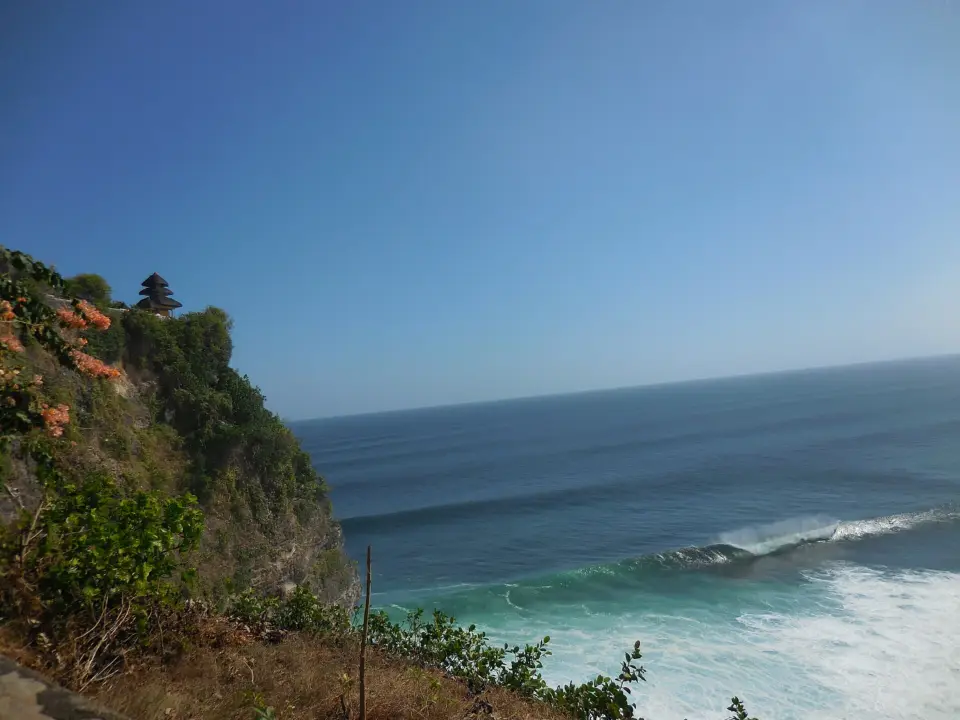
Uluwatu is the best first choice: the temple sits on a 70-metre cliff, and sunset brings the Kecak dance. Hold on to your glasses and phone, because the monkeys here steal things. Book Kecak ahead in busy months. Our Uluwatu temple and Kecak guide has the details.
Tirta Empul near Ubud is where people come to bathe in holy springs. Visitors can join respectfully, but go with someone who can explain the order of the fountains, since some are reserved for specific purposes.
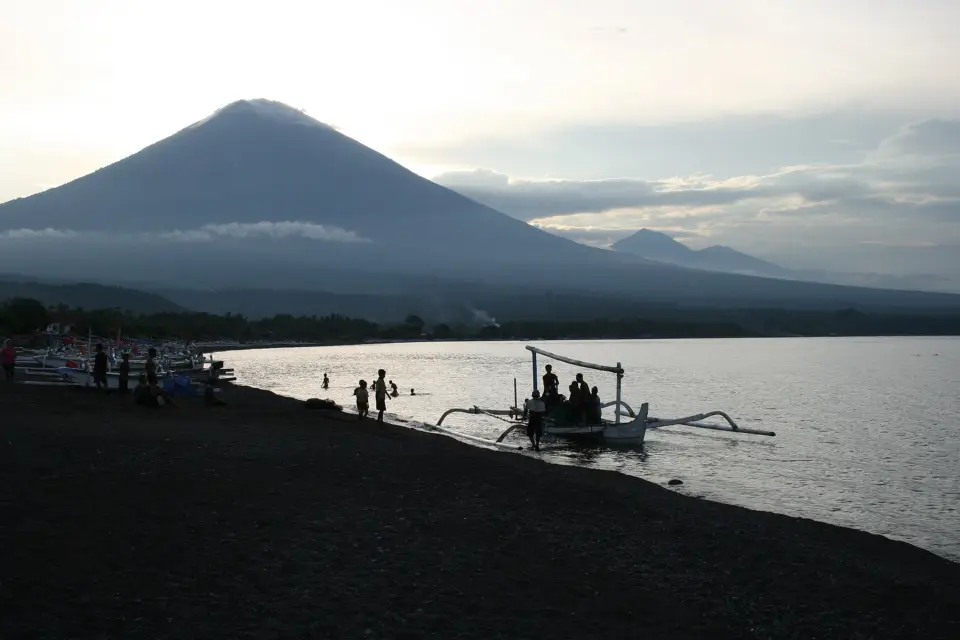
Besakih is the largest and most important site on Bali, on the slopes of Mount Agung. The reported fee now includes a guide, a sarong and a shuttle to the main entrance. See our Besakih guide.
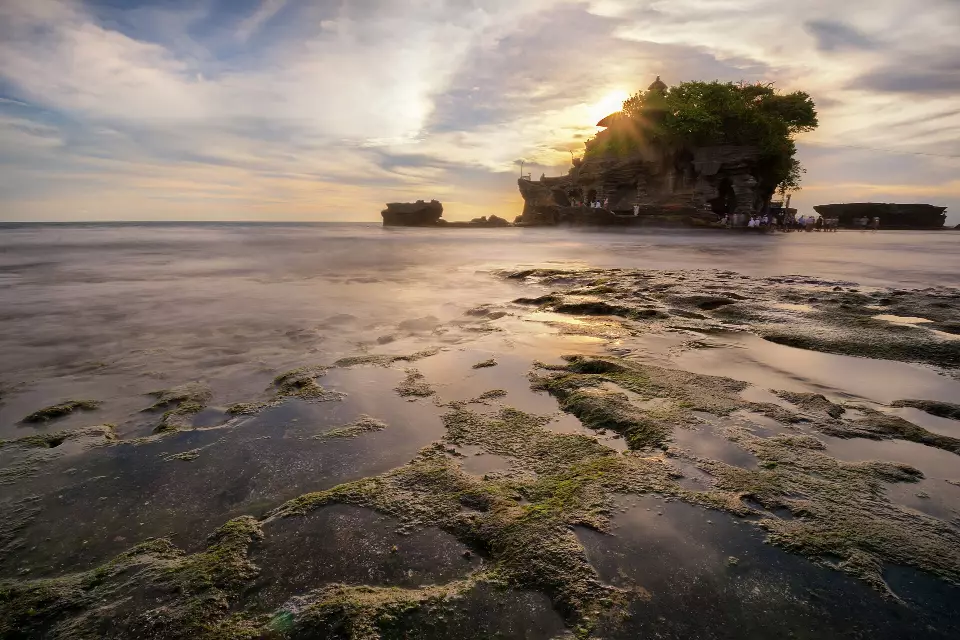
Tanah Lot is more spectacular from a distance than up close, and non-worshippers cannot enter the temple itself. Go for the setting, and expect market stalls. Our Tanah Lot guide explains the tides and the best time.
The Gates of Heaven: should you go?
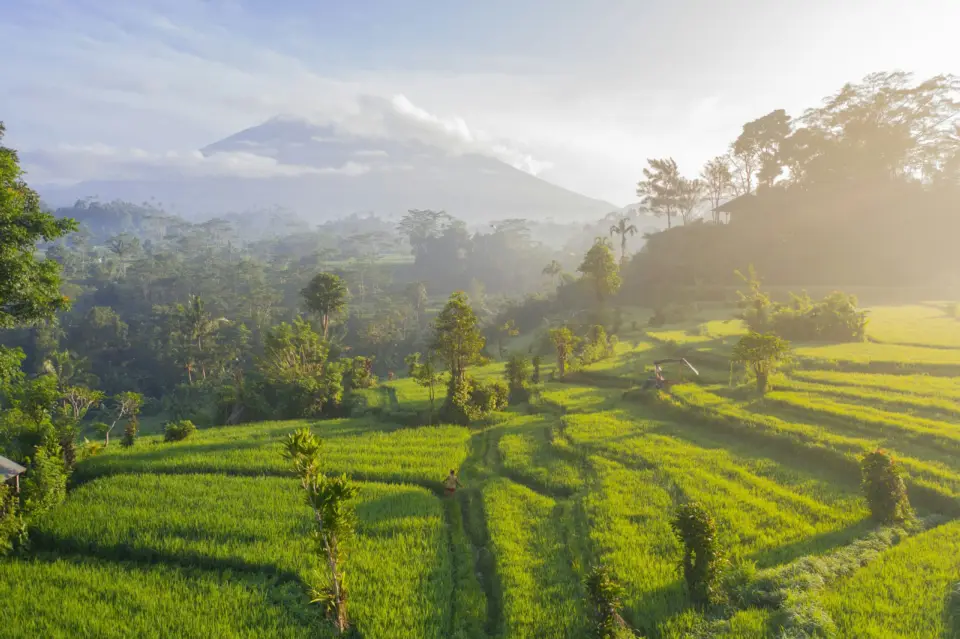
The famous reflection at Lempuyang is a trick: a mirror held under the phone. The gate itself is real and has a superb view of Mount Agung on clear mornings, but it is a long drive, and photo queues can take hours, so a trip from the south fills most of your day. Go only if you are already in the east, and arrive very early. Otherwise, Sidemen and Amed deserve the time more.
Tickets and guides
A guide makes temple visits far more meaningful.
Partner links. Prices are approximate.
Temples you can combine in one day
-
South-west coast
- Temples
- Tanah Lot, then Taman Ayun
- Start from
- Canggu or Seminyak
- Tip
- Taman Ayun in the morning, Tanah Lot before the sunset crowds
-
Bukit
- Temples
- Uluwatu, with a beach in the day
- Start from
- Uluwatu or Jimbaran
- Tip
- Arrive by 4:30 PM for Kecak seats
-
Around Ubud
- Temples
- Goa Gajah, Tirta Empul, Gunung Kawi Sebatu
- Start from
- Ubud
- Tip
- Go clockwise to dodge tour buses
-
Highlands
- Temples
- Ulun Danu Beratan, then Jatiluwih rice terraces
- Start from
- Ubud or the north
- Tip
- Cool, so bring a layer
-
East
- Temples
- Lempuyang, Tirta Gangga, Besakih on a clear day
- Start from
- Sidemen or Amed
- Tip
- Start before 6 AM
Each line is a full day with a driver. See our [day trips guide](/best-day-trips-bali/) for timings.
Quieter temples worth the detour
If the big names feel like queues, these are calmer and still beautiful:
- Gunung Kawi Sebatu, near Tegalalang: spring-fed pools and gardens, usually far fewer people than Tirta Empul.
- Taman Ayun, in Mengwi: a royal temple with tiered shrines inside a moat, easy to pair with Tanah Lot.
- Gunung Kawi Tampaksiring: rock-cut shrines in a river valley, with a long staircase.
- Pura Taman Saraswati, in central Ubud: a lotus pond in front of the temple, good at dusk.
Ceremony days to plan around
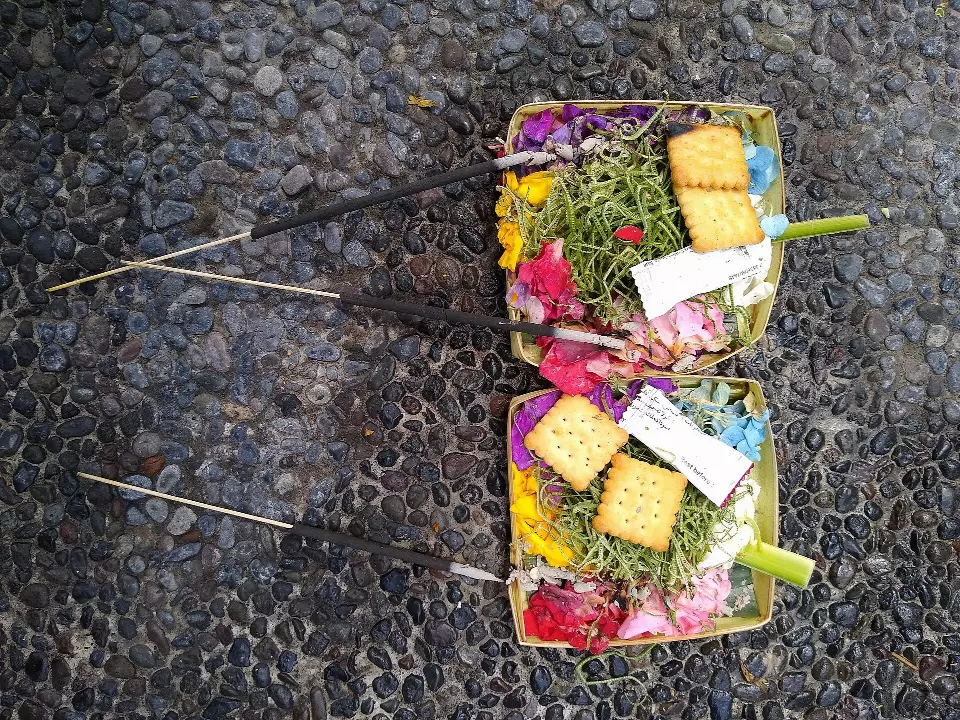
Temple anniversaries (odalan) and the big festivals change access and traffic. Galungan and Kuningan fill temples and decorate every street with tall bamboo penjor, and full moon days (purnama) bring more worshippers. Visitors are often still welcome to watch from the outer courtyard, but inner areas close. Nyepi, the Day of Silence, closes everything for 24 hours. Our Nyepi guide explains what to expect.
Tirta Empul, step by step
-
1
Change in the changing rooms
Rent or wear a green or plain sarong for the water, and leave valuables in a locker.
-
2
Make an offering
A small canang sari is sold at the entrance. A guide or temple helper can show you where to place it.
-
3
Follow the order
Start from the left and work along the fountains. Several fountains are reserved for funeral rites, so skip the ones your guide points out.
-
4
Bow and wash three times
At each spout, bow your head under the water and wash your face three times, quietly.
-
5
Dress again and visit the inner temple
Put on a dry sarong and sash before you walk to the shrines.
Temple FAQ
Which temple should I visit in Bali if I only have time for one?
Uluwatu at sunset, with the Kecak dance, gives you the most in a single visit.
Are sarongs included in the entrance fee?
Often, but not always. Some temples rent them for a small fee, so carry your own.
Is Lempuyang worth it?
Only if you are already in East Bali or love the photo enough to queue. It is a long way from the south.
Can tourists swim at Tirta Empul?
You can join the purification ritual in proper dress. It is a religious act, not a swim.
What is the quietest temple near Ubud?
Gunung Kawi Sebatu is usually much calmer than Tirta Empul, with spring-fed pools and gardens.
Can I visit temples during Galungan?
Yes, usually from the outer courtyards. Dress properly, keep out of processions and expect heavier traffic.
Ready to book?
The usual order: flights, first nights, airport pickup, insurance, data.
Partner links. Prices are approximate.
Official sources
- Bali Provincial Tourism Office(opens in a new tab)
- Indonesia Travel: temples in Bali (official)(opens in a new tab)
Updated

Aleks & Ria
Authors of ogo!bali
Built by an expat and an Indonesian local, ogo!bali delivers clear, fresh advice from both sides of the island. We blend local insider secrets with practical travel tips to help you explore with confidence.