


Bali Tides Explained: When to Swim, Snorkel and Surf
Tides change Bali’s beaches more than most visitors expect. At low tide, the lagoons of Sanur and Nusa Dua can be too shallow to swim, and the reef breaks on the Bukit become dangerous. A two-minute look at a tide chart saves a wasted morning.
By Aleks & Ria Facts checked 12 November 2026 4 min read
- Pattern
- Usually two highs and two lows a day
- Biggest tides
- Around full and new moon
- Swim in Sanur
- Mid to high tide
- Check
- A tide chart for the nearest port
Some links are partner links: if you book through them we may earn a commission at no cost to you. Partners never choose what we recommend.
Bali usually has two high tides and two low tides a day, about six hours apart, and the two highs are often of different heights. The pattern shifts by roughly 50 minutes each day, so the right time for a swim on Monday is wrong by Thursday. The biggest swings come around full and new moon, the spring tides, which in Bali also fall on the important temple days of Purnama and Tilem. Around the half moons, the neap tides are gentler.
Plan this trip
Partner links. Prices are approximate.
Which tide for what
-
Swimming in Sanur, Nusa Dua or Jimbaran
- Best tide
- Mid to high
- Why
- The reef-protected lagoons get very shallow, rocky and weedy at low tide
-
Snorkelling from the beach
- Best tide
- Mid to high, on a calm day
- Why
- More water over the coral; less chance of touching it
-
Nusa Lembongan mangroves by boat
- Best tide
- High
- Why
- The channels are too shallow at low tide
-
Reef surfing on the Bukit (Uluwatu, Bingin, Padang Padang)
- Best tide
- Usually mid to high, depending on the break
- Why
- Shallow reef at low tide causes most surf injuries
-
Beach-break surfing in Kuta and Canggu
- Best tide
- Mid tide, usually
- Why
- Less dumping on the shore
-
Rock pools and reef walks
- Best tide
- Low
- Why
- Pools appear, but watch the incoming tide and wear shoes
-
Photos at Tanah Lot
- Best tide
- Low
- Why
- You can walk closer to the temple rock
General guidance. Every beach and break behaves differently; ask a local surf school, dive centre or lifeguard.
How to read a tide chart
A tide chart lists the times and heights of high and low water for a port, such as Benoa near Sanur and Nusa Dua. Heights are in metres above a reference level, so look at the difference between high and low rather than the numbers themselves.
- Find the nearest station. For the south and east coasts, Benoa is the usual reference.
- Note the highs and lows for your day. Plan swims and snorkelling around the high, surf sessions for the tide your break likes.
- Check the moon. Near full and new moon, expect lower lows and higher highs, and stronger currents in the channels between the Nusa islands.
- Add the swell and wind forecast. A big swell at high tide can still make a beach unsafe.
Surf forecast apps and many dive centres publish tide charts, and BMKG publishes marine weather warnings for Indonesian waters.
Where tides matter most
Sanur and Nusa Dua. An offshore reef protects both beaches, which keeps the water calm but shallow. At low tide the sea can retreat far out, leaving seagrass and rock. Plan swims for the morning or afternoon high. See the Sanur guide and Nusa Dua and Jimbaran.
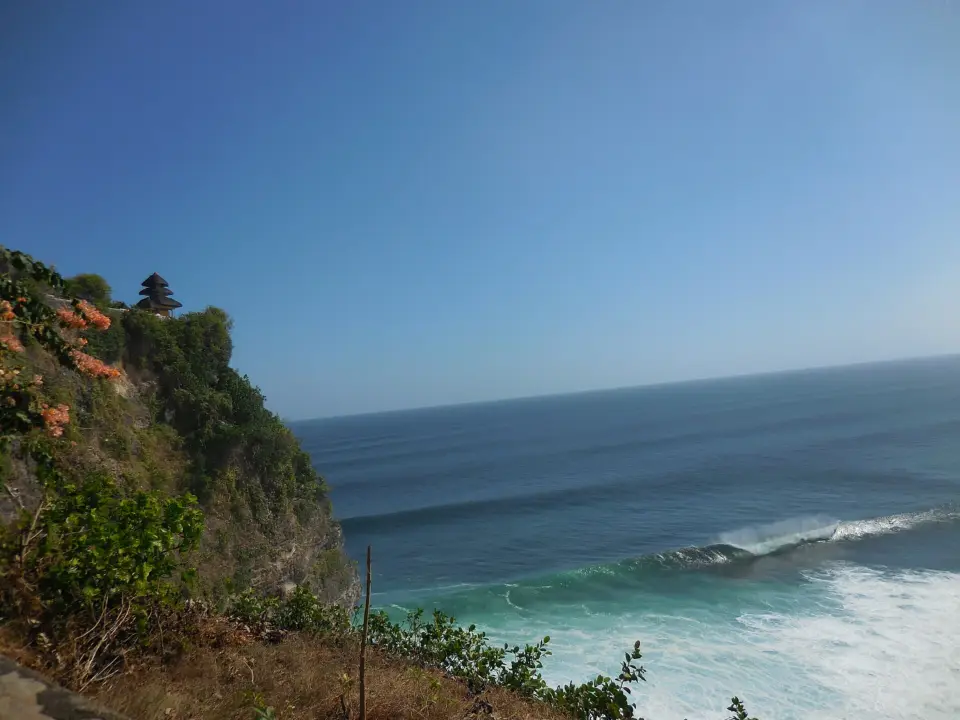
The Bukit. Uluwatu, Bingin, Padang Padang and Balangan break over shallow reef. Many are only safe for experienced surfers at the right tide. Our surf guide covers each break.
Nusa Lembongan, Ceningan and Penida. Tides drive strong currents through the channels between the islands, which matters for snorkelling and boat crossings. Snorkel only where the crew says it is safe. See diving and snorkelling in Bali.
West-coast beaches. Kuta, Seminyak and Canggu have open-ocean waves and rip currents at every tide. Swim between the lifeguard flags. Read is Bali safe.
Stay connected on the road
Partner links. Prices are approximate.
Read next: the best beaches in Bali, getting to Nusa Penida and the Bali surf guide.
Bali tides FAQ
How many tides a day does Bali have?
Usually two high and two low tides, about six hours apart, often of unequal height.
When is the best time to swim in Sanur?
At mid to high tide. At low tide the lagoon can be too shallow and rocky.
Where can I find a tide chart for Bali?
Surf forecast apps, dive centres and tide websites publish charts; use Benoa for the south and east coasts.
Are tides bigger at full moon in Bali?
Yes. The largest tides, spring tides, come around full and new moon.
What tide is best for surfing Uluwatu?
It depends on the section and the swell, but the shallow reef makes low tide risky. Ask a local surf guide.
Ready to book?
The usual order: flights, first nights, airport pickup, insurance, data.
Partner links. Prices are approximate.
Official sources
Updated

Aleks & Ria
Authors of ogo!bali
Built by an expat and an Indonesian local, ogo!bali delivers clear, fresh advice from both sides of the island. We blend local insider secrets with practical travel tips to help you explore with confidence.
