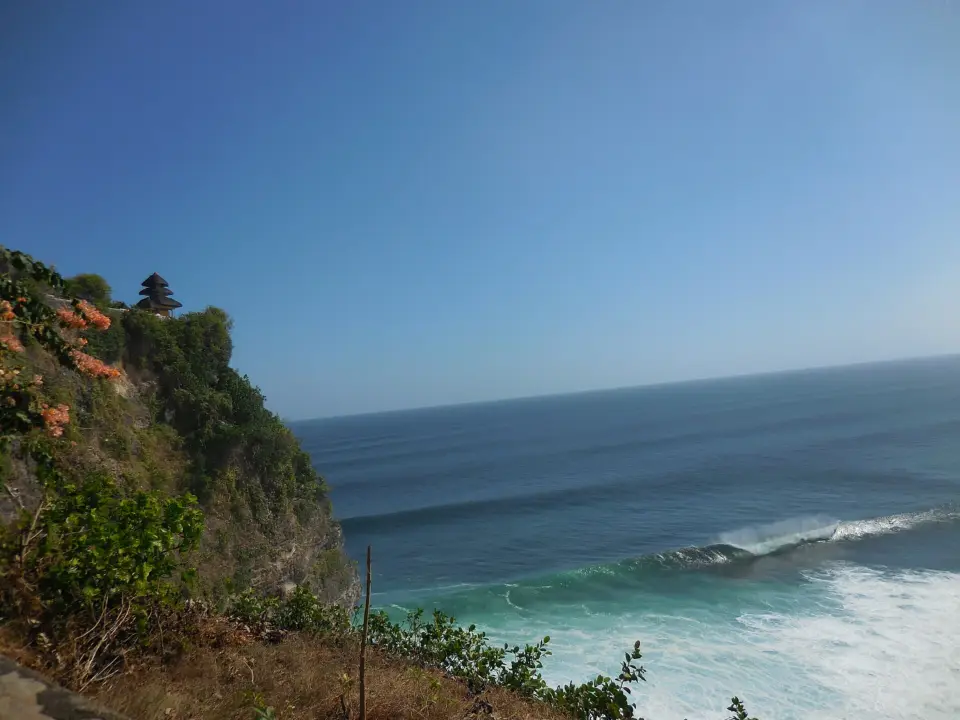
Diving and Snorkelling in Bali: The Best Spots, Seasons and Safety
Bali has a WWII wreck you can snorkel from the beach, manta rays all year and sunfish in the cold months. Here is where to go for your level, when, and the safety rules that matter most around Nusa Penida.
By Aleks & Ria Facts checked 11 November 2026 7 min read
- Easiest wreck
- USAT Liberty, Tulamben
- Manta rays
- Nusa Penida, all year
- Mola mola
- Mostly July to October
- Calmest snorkelling
- Amed, Menjangan, Pemuteran
Some links are partner links: if you book through them we may earn a commission at no cost to you. Partners never choose what we recommend.
Bali sits inside the Coral Triangle, the most diverse marine region on earth, and it has an unusual range of diving for one island: a wartime wreck in shallow water, black-sand muck dives full of strange creatures, calm coral walls in a national park, and fast-current dives where manta rays and the giant ocean sunfish come in from the deep. Snorkellers do well too. The trick is matching the site to your level, because the same island has some of the gentlest and some of the most demanding water in Indonesia.
Plan this trip
Partner links. Prices are approximate.
The main areas compared
-
Tulamben, east
- Highlights
- USAT Liberty wreck from the shore, coral garden, muck
- Level
- Snorkellers to advanced
- Best from
- Amed or Tulamben
-
Amed, east
- Highlights
- Jemeluk Bay coral, Japanese shipwreck, freediving
- Level
- Beginners, snorkellers
- Best from
- Amed
-
Menjangan Island, north-west
- Highlights
- Walls and clear water in West Bali National Park
- Level
- Beginners to advanced, great snorkelling
- Best from
- Pemuteran
-
Nusa Penida and Lembongan
- Highlights
- Manta rays, mola mola in season, drift dives
- Level
- Mantas for most, Crystal Bay and drifts for experienced
- Best from
- Sanur, Penida, Lembongan
-
Padang Bai, east
- Highlights
- Blue Lagoon, reef sharks at Tepekong
- Level
- Snorkellers to advanced
- Best from
- Padang Bai, Candidasa
-
Sanur, south
- Highlights
- Gentle reefs, training dives
- Level
- Beginners, courses
- Best from
- Sanur
Conditions depend on season, tides and currents. Your dive centre decides what is safe on the day.
Tulamben: the Liberty wreck
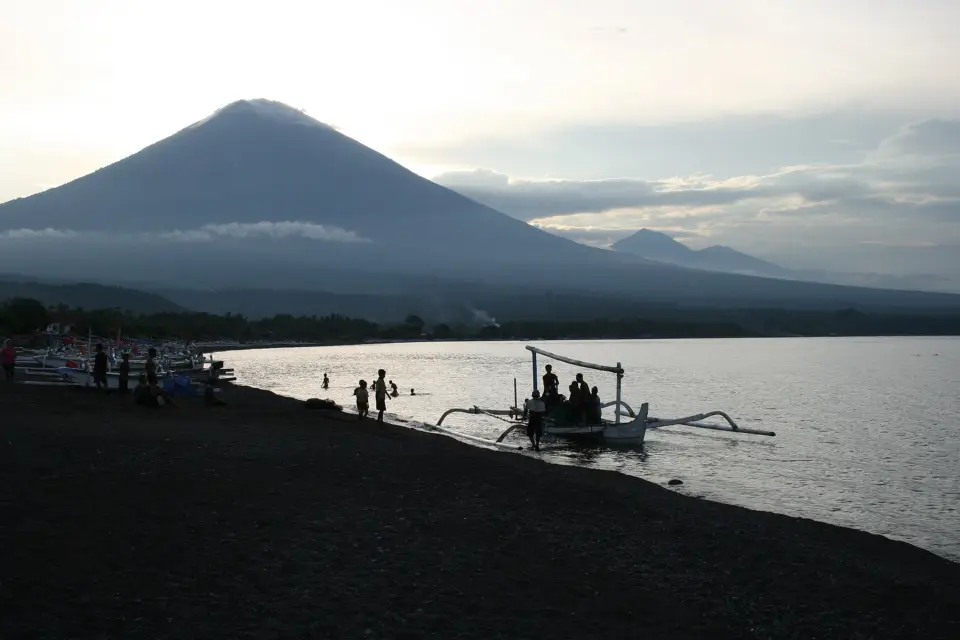
The USAT Liberty was a US Army cargo ship torpedoed in 1942 and beached at Tulamben. The 1963 eruption of Mount Agung pushed it back into the sea, where it now lies on a sandy slope a short swim from a black-stone beach. The top is a few metres below the surface, so snorkellers can see it, and the deepest part is around 30 metres. It is covered in coral and sponges, with schools of jacks, bumphead parrotfish at dawn and plenty of macro life.
Go early. Day trips from the south arrive from about 10 AM, so staying a night in Tulamben or Amed lets you dive it at dawn, often almost alone. The beach is large smooth stones, so wear water shoes. Local porters, many of them women from the village, carry tanks to the entry point for a small fee.
Amed: easy coral and freediving
Jemeluk Bay in Amed has coral and fish a few metres from the beach, and a small underwater temple structure that snorkellers like. The Japanese shipwreck at Banyuning is a small wreck in very shallow water, ideal for snorkelling. Amed is also Bali’s freediving centre, with schools offering beginner courses in calm water. Our East Bali guide covers where to stay.
Menjangan: the national park reefs
Menjangan Island lies inside West Bali National Park, off the north-west tip of Bali. It has steep walls covered in soft and hard coral, gorgonian fans and clear water, often more than 25 metres of visibility, with little current most of the time. It is one of the best places in Bali for snorkellers who want real coral. Boats leave from Labuhan Lalang near Pemuteran, about 4 hours from the south, so stay at least two nights. A park entry fee is added to the trip. See our North Bali guide.
Nusa Penida: mantas and the mola mola
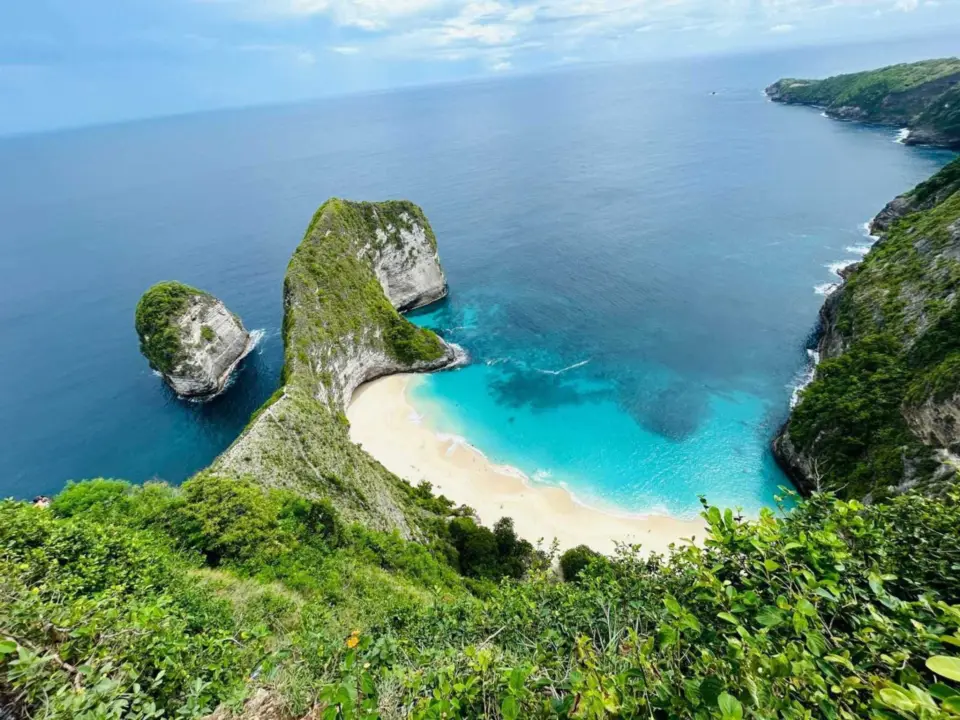
The waters around Nusa Penida are where Bali’s big animals are. Manta Point, off the south-west cliffs, is a cleaning station where reef manta rays come to have parasites picked off by small fish. Mantas are seen there on most days all year. Snorkellers can watch from the surface, although the swell here can be big and the boat ride is bumpy. Manta Bay is a little more sheltered.
The mola mola, or oceanic sunfish, is the famous one: a huge, flat fish that rises from deep water to be cleaned on the reefs, mostly from about July to October, when cold water upwells around Penida. Crystal Bay is the classic site. The cold that brings them can drop the water to around 20°C or lower in places, so ask for a thicker wetsuit.
Penida is also where Bali’s diving is most serious. Currents between Penida and Lembongan can be strong and change direction quickly, and there are down-currents near some walls. Dive with an established centre that briefs properly, carry a surface marker buoy, and do not push your limits here. The manta snorkel trips for non-divers are popular and fine in good conditions.
Padang Bai, Sanur and the rest
Padang Bai, the ferry port for Lombok, has the Blue Lagoon, a sheltered cove with good snorkelling, and Tepekong offshore, where experienced divers can see reef sharks in strong currents. Our guide to sharks in Bali covers the species and the real risks. Sanur has gentle reefs used for courses and first dives. Nusa Lembongan and Ceningan have mangroves and easy reefs as well as the big Penida sites.
Diving and snorkelling through the year
-
January
Mixed, Quiet boats
Wet season. Rain runoff can cloud the water on the north and east coasts after storms.
-
February
Mixed, Quiet boats
Wet, but the east is often fine in calm spells.
-
March
Mixed, Quiet boats
Variable. Nyepi closes everything for a day.
-
April
Good, Moderate
Visibility improves as the dry season starts.
-
May
Best, Moderate
Calm seas and good visibility across most areas.
-
June
Best, Moderate
Excellent conditions, water cooling around Penida.
-
July
Best, Busy boats
Mola mola season starts, cold water at Penida, busy boats.
-
August
Best, Busy boats
Peak mola season and peak crowds. Book ahead.
-
September
Best, Moderate
Mola still around, fewer people.
-
October
Good, Moderate
Last of the mola season, warmer water returning.
-
November
Mixed, Quiet boats
Rain begins. Calm mornings are still good.
-
December
Mixed, Busy boats
Wet and busy over Christmas.
Which trip for your level
-
A nervous snorkeller
- Good choices
- Amed’s Jemeluk Bay, the Japanese wreck, Sanur from a boat in calm water
-
A confident snorkeller
- Good choices
- Menjangan, the Liberty wreck from the surface, Blue Lagoon
-
Never dived
- Good choices
- Try dive or Discover Scuba in Amed, Tulamben or Sanur
-
New diver
- Good choices
- The Liberty, Amed reefs, Menjangan, Manta Point on a calm day
-
Experienced
- Good choices
- Crystal Bay for mola, Penida drift dives, Tepekong
-
Into macro photography
- Good choices
- Muck diving at Tulamben, Seraya and Amed
An Open Water course usually takes 3 to 4 days. Choose a PADI or SSI centre with small groups and good equipment.
Safety checklist
Your ticks are saved on this device.
Before you book
On the day
After diving
Book a trip
Check group size, gear and what the boat includes.
Partner links. Prices are approximate.
For wildlife beyond the reef, and how to choose responsible operators, see our ethical wildlife guide. If you are planning a longer route, the Gili Islands and Komodo are two of Indonesia’s best dive areas within easy reach of Bali.
Diving and snorkelling in Bali FAQ
Where is the best snorkelling in Bali?
Menjangan Island for clear water and coral walls, Amed’s Jemeluk Bay and the Japanese wreck for easy access, and the Liberty wreck at Tulamben for something unique.
Can you see manta rays in Bali?
Yes. Reef mantas are seen at Manta Point and Manta Bay off Nusa Penida on most days all year, by divers and snorkellers.
When can you see mola mola in Bali?
Mostly from about July to October around Nusa Penida, especially at Crystal Bay. Sightings are never guaranteed.
Can beginners dive in Bali?
Yes. Amed, Tulamben and Sanur are good places for a first dive or an Open Water course. Leave Penida’s drift dives until you have more experience.
Can you snorkel the Liberty wreck?
Yes. Parts of the wreck are only a few metres deep, so snorkellers can see it from the surface in calm water.
Is the water cold in Bali?
Mostly about 27 to 29°C, but around Nusa Penida it can drop to around 20°C or lower in the mola season. Bring or rent a thicker wetsuit.
Ready to book?
The usual order: flights, first nights, airport pickup, insurance, data.
Partner links. Prices are approximate.
Official sources
Updated

Aleks & Ria
Authors of ogo!bali
Built by an expat and an Indonesian local, ogo!bali delivers clear, fresh advice from both sides of the island. We blend local insider secrets with practical travel tips to help you explore with confidence.
