Bali Coffee: Kintamani Arabica, Plantation Visits and the Truth About Kopi Luwak
Bali grows serious coffee, from Kintamani arabica on the volcano’s slopes to strong robusta in the west. Here is how to drink it like a local, which plantation visits are worth it, and why we would skip kopi luwak.
By Aleks & Ria Facts checked 11 November 2026 5 min read
- Signature bean
- Kintamani arabica
- Local style
- Kopi Bali, ground and unfiltered
- Grown at
- About 1,000 to 1,700 metres
- Kopi luwak
- We would skip it
Some links are partner links: if you book through them we may earn a commission at no cost to you. Partners never choose what we recommend.
Coffee came to Indonesia with the Dutch in the 17th century, and Bali has grown it for generations, mostly on small family farms. Today the island has two coffee personalities. In the warungs, kopi Bali is strong, sweet and full of grounds, a farmers’ drink. In the cafés of Ubud and Canggu, single-origin Kintamani arabica is roasted and brewed as carefully as anywhere in the world. Both are worth trying, and neither requires the caged civets that tourist plantations still push.
Plan this trip
Partner links. Prices are approximate.
Bali’s coffees at a glance
-
Kintamani arabica
- Where it grows
- Volcanic highlands around Kintamani and Mount Batur
- What it tastes like
- Bright, citrusy, light body, often fruity
- Where to drink it
- Specialty cafés, roasters
-
Munduk and Pupuan coffee
- Where it grows
- Hills of the north and west, much of it robusta
- What it tastes like
- Earthy, strong, chocolate notes
- Where to drink it
- Warungs, village cafés, plantation shops
-
Kopi Bali
- Where it grows
- A local blend, often robusta, sometimes with rice or corn
- What it tastes like
- Dark, bitter, very strong
- Where to drink it
- Every warung
-
Kopi luwak
- Where it grows
- Beans collected from civet droppings
- What it tastes like
- Smooth, low acidity, heavily marketed
- Where to drink it
- Tourist plantations, we would skip it
Taste depends on the farm, the processing and the roast as much as on the region.
Kintamani: a coffee with a protected name
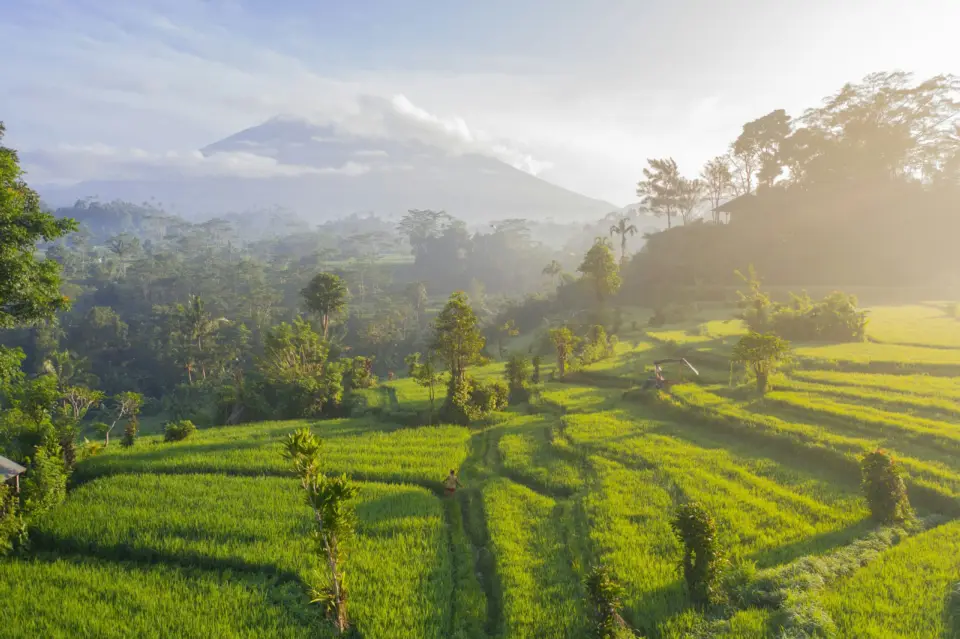
The farms on the cool slopes around Kintamani, at about 1,000 to 1,700 metres, grow arabica between citrus trees, which many drinkers say gives the coffee its bright, orange-peel acidity. The farmers work through subak abian, the dryland version of Bali’s famous cooperative farming system, which shares rules for planting, processing and ceremonies.
In 2008 Kintamani Bali arabica became the first product in Indonesia registered as a geographical indication, the same kind of protection that Champagne has. Only coffee grown and processed in the defined area to the agreed standards can carry the name. When you buy beans, look for that origin on the bag and a recent roast date.
How to drink it like a local
Kopi Bali is made tubruk style: finely ground coffee goes straight into a glass, hot water is poured on, and the grounds settle at the bottom. Wait a minute, sip carefully and stop before you reach the sludge.
How to order
-
Kopi hitam
- You get
- Black coffee, usually with sugar already in it
-
Kopi hitam tanpa gula
- You get
- Black, no sugar
-
Kopi susu
- You get
- With sweetened condensed milk
-
Es kopi susu gula aren
- You get
- Iced coffee with milk and palm sugar, the modern favourite
-
Kopi Bali
- You get
- The local ground coffee, tubruk style
In cafés you will also find espresso, pour-over and cold brew, often with Kintamani or other Indonesian single origins from Java, Sumatra, Flores and Toraja.
Plantation visits: what to expect
The "agrotourism" stops along the roads from Ubud to Tegallalang and Kintamani are the coffee experience most visitors see. They are free to enter: a guide walks you past coffee, cacao, vanilla and spice plants, shows roasting in a pan over a fire, and seats you in front of a view with a free tasting tray of coffees and teas. The money is made in the shop afterwards and on the paid cup of luwak.
These stops are pleasant for half an hour, especially with children, but they are sales stops more than farms. If you want to see real coffee farming:
- Visit in harvest season, roughly May to August in Kintamani, when cherries are picked and dried on mats by the roadside.
- Look for farm tours run by roasters or cooperatives in the Kintamani highlands, where you see picking, washing, fermenting and drying, and taste the coffee properly.
- Combine it with Mount Batur, as many tours stop at a plantation on the way back from the sunrise hike.
- Say no to the luwak cup and the caged civets. Ask a plantation whether it keeps civets before you go.
Buying coffee to take home
Your ticks are saved on this device.
Look for
Avoid
Coffee for your next stop? Our vegan food and coffee guide covers cafés in Ubud and Canggu, and the Balinese food guide explains what to eat with a kopi in a warung. If you are planning a day in the highlands, the day trips guide has routes through Kintamani.
Combine coffee with the highlands
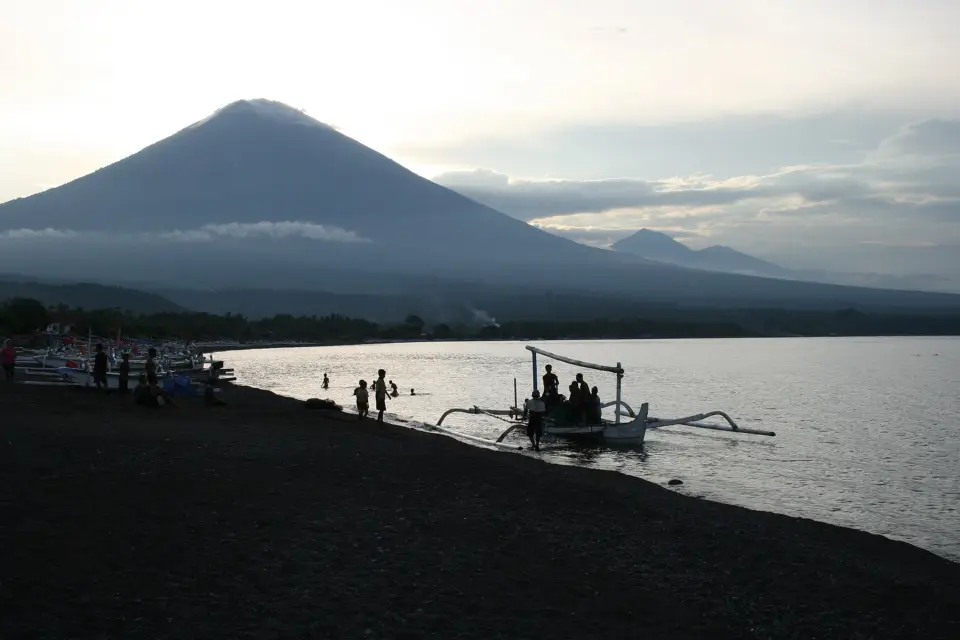
Most coffee stops are on the way to Kintamani and Mount Batur.
Partner links. Prices are approximate.
Bali coffee FAQ
What coffee is Bali known for?
Kintamani arabica, grown on the volcanic slopes around Mount Batur. It has a protected geographical indication and a bright, citrusy taste.
Is kopi luwak ethical?
Rarely, and it is almost impossible to check. Many civets used for it are caught from the wild and kept in cages. We would skip it.
Are coffee plantation tours in Bali free?
Most roadside plantations are free to enter and give a free tasting tray. They make money from the shop and the paid luwak coffee.
What is kopi Bali?
The local ground coffee, made by pouring hot water straight onto fine grounds in a glass. It is strong and usually served sweet.
Can I take Bali coffee home?
Roasted coffee beans are usually fine for personal use, but check your own country’s rules on food imports before you fly.
When is coffee harvest season in Bali?
In the Kintamani highlands, roughly May to August, when you can see cherries being picked and dried.
Ready to book?
The usual order: flights, first nights, airport pickup, insurance, data.
Partner links. Prices are approximate.
Official sources
- Directorate General of Intellectual Property: geographical indications(opens in a new tab)
- Ministry of Agriculture of Indonesia(opens in a new tab)
Updated
Aleks & Ria
Authors of ogo!bali
Built by an expat and an Indonesian local, ogo!bali delivers clear, fresh advice from both sides of the island. We blend local insider secrets with practical travel tips to help you explore with confidence.