Lombok Travel Guide: Kuta, Senggigi, Rinjani and How to Get There
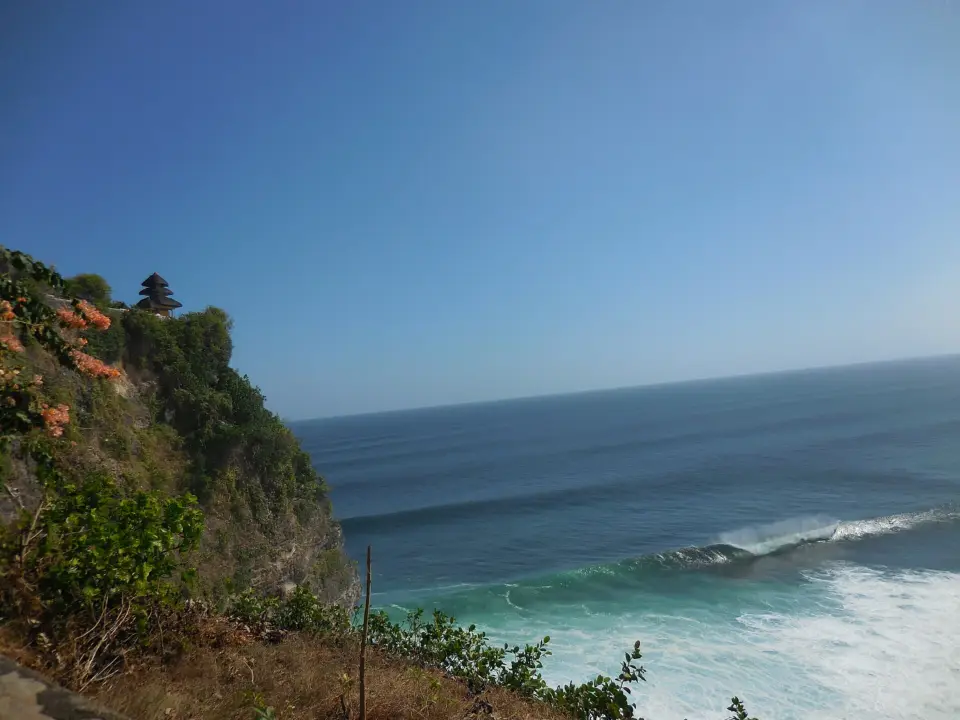
Lombok has bigger empty beaches than Bali and a serious volcano, with less polish and fewer services. Fly or take a boat from Bali and give it at least four nights.
By Aleks & Ria Facts checked 12 November 2026 5 min read
- From Bali
- Short flight or fast boat
- Airport
- LOP, near Praya
- Stay
- 4 to 7 nights
- Rinjani
- Permit and licensed guide required
Some links are partner links: if you book through them we may earn a commission at no cost to you. Partners never choose what we recommend.
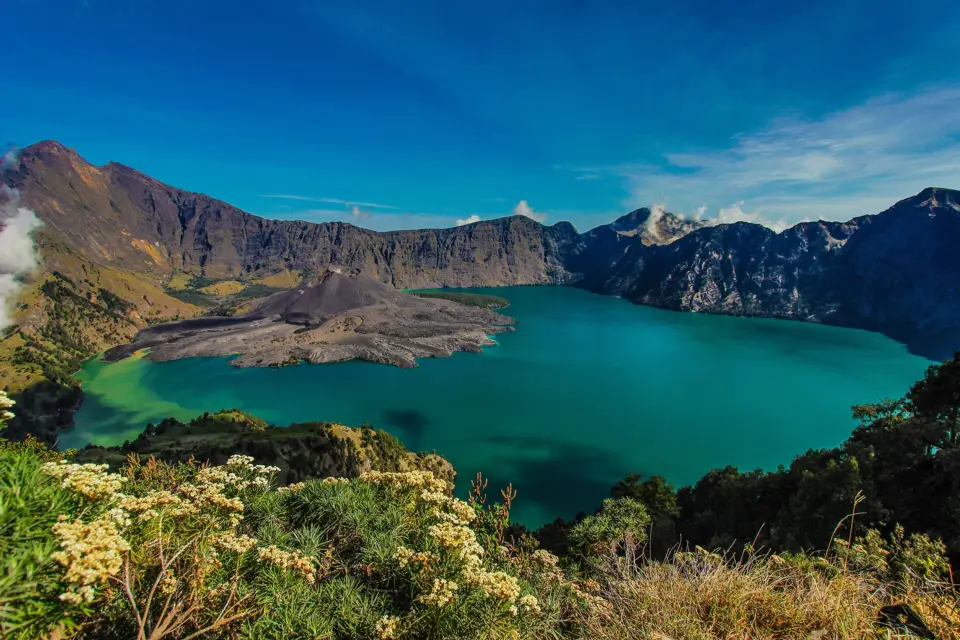
Lombok sits just east of Bali, and it feels like a different country after a short crossing. Most people here are Sasak and Muslim, so you hear the call to prayer rather than see daily offerings. The south coast has long bays with far fewer buildings than Bali’s, and Mount Rinjani, at 3,726 metres, dominates the north. Roads are quieter, services are thinner, and you need a little more planning.
Think of Lombok as a place to add when you want surf, emptier beaches or a proper trek. If you are mainly after the car-free islands, read our Gili guide first, since they are closer to Lombok than to Bali.
Getting to Lombok from Bali
-
Flight DPS to LOP
- Time
- About 40 minutes in the air
- Good for
- South coast, Rinjani
- Watch out for
- Bag limits and delays
-
Fast boat
- Time
- About 2 to 3 hours
- Good for
- Senggigi, Gilis, northwest
- Watch out for
- Rough seas in strong wind
-
Public car ferry
- Time
- Many hours
- Good for
- Rental cars, tight budgets
- Watch out for
- Slow and hard to time
Times are planning figures. Check current operators and timetables before you book.
Plan this trip
Partner links. Prices are approximate.
Where to stay
Kuta Lombok has become the main base. Do not confuse it with Kuta in Bali. It is a small surf town near the airport with cafes, surf camps and easy access to bays such as Tanjung Aan, Selong Belanak and Mawun. The Mandalika development has brought a racing circuit and big resorts next door, so the east side is changing fast.
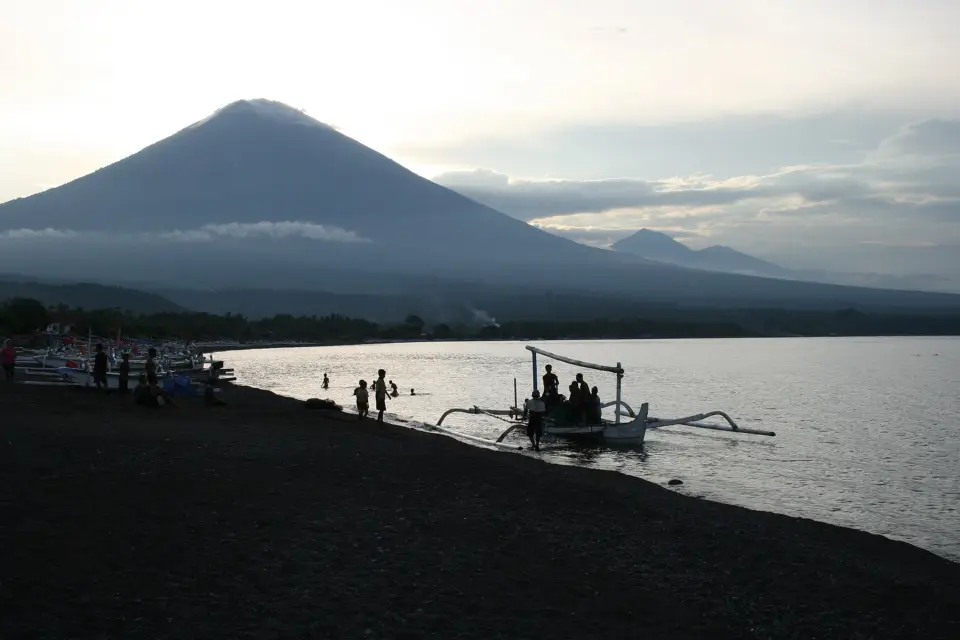
Senggigi was once the island’s tourist capital. It is quieter now but still handy for boats to the Gilis and for sunset views of Bali’s Mount Agung on a clear evening.
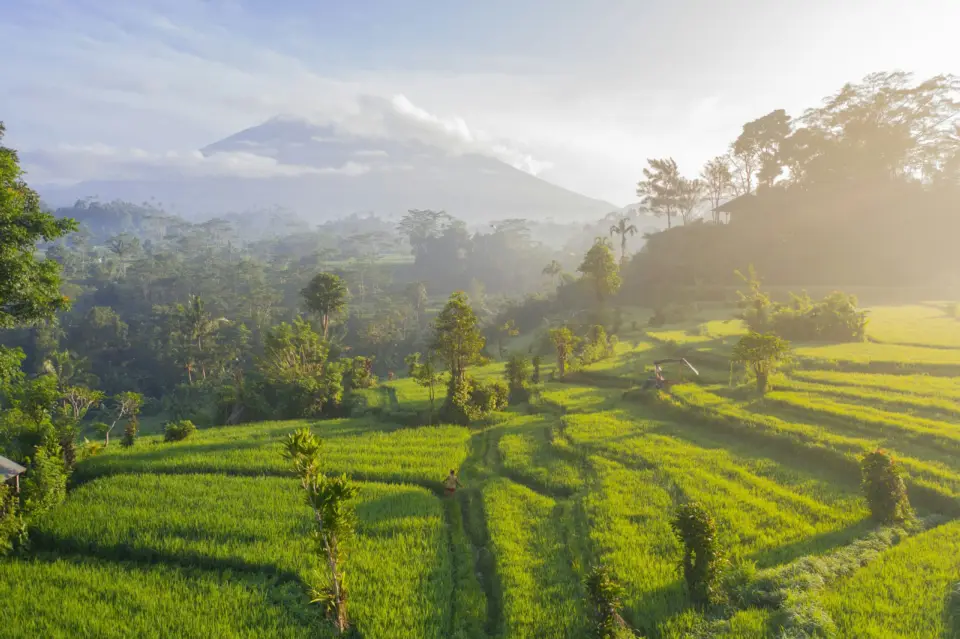
Sembalun and Senaru are the mountain villages used as Rinjani starting points. Sembalun has wide green valleys, while Senaru has waterfalls, including Sendang Gile and Tiu Kelep, which are worth a stop even if you do not trek.
What to do
Surfing is the south coast’s main draw, with beginner waves at Selong Belanak and tougher breaks reached by boat from Gerupuk. South coast beaches are best visited with your own transport, because bays can be far apart. Sade and Ende are traditional Sasak villages close to the airport, though they are geared to visitors, so it is fair to ask how your entrance donation is used.
Sort your stay and transport
Compare south coast rooms first, then check flights for your dates.
Partner links. Prices are approximate.
Trekking safely
Rinjani is not an easy day out. The route is steep, loose and cold at night, and accidents happen. Choose an operator on the licensed list and ask about the guide-to-trekker ratio, emergency plan, food and sleeping kit. Check that your travel insurance covers trekking at altitude above 3,000 metres, because many basic policies stop far lower. If you only want the views, the crater rim at Sembalun or Senaru is a shorter option.
Getting around
Lombok has no reliable bus network for visitors. Most people rent a scooter in Kuta or Senggigi, or book a car and driver between areas. Riding at night is best avoided, and on quiet stretches of the south coast it is sensible to travel in daylight. Parked bikes at remote beaches may be asked for a small fee.
Practical notes
Dress more conservatively outside the resort areas, and cover your shoulders and knees in villages. During Ramadan some warungs close in daylight hours. ATMs are found in Kuta, Senggigi and Mataram, but carry cash for smaller places. Our Bali money guide applies here too.
The dry season, around May to September, is the most reliable time to visit and to trek. Rain from about November to March makes the trails muddy, and the hills become very green.
How many days in Lombok?
-
3 to 4 nights
- Route
- Kuta Lombok and the south coast beaches
- Good for
- Surf, quiet beaches, a short add-on to Bali
-
5 to 7 nights
- Route
- South coast, then Senaru or Tetebatu in the north
- Good for
- Beaches plus waterfalls and rice fields
-
7 nights or more
- Route
- Add the Rinjani trek, usually 2 to 4 days
- Good for
- Fit hikers in the trekking season
-
10 nights or more
- Route
- Add the Gili Islands
- Good for
- Beaches, snorkelling and a car-free island
Rinjani trekking usually closes from January to the end of March. Check with the national park before you book a trek.
What a day in Lombok costs per person
Budget
~$30 to $65
- Room, half of a double
- $10 to $20
- Food and drinks
- $12 to $20
- Scooter and fuel
- $4 to $10
- Surf lesson, boat or entries, averaged
- $5 to $15
Mid-range
~$95 to $190
- Room, half of a double
- $40 to $90
- Food and drinks
- $25 to $40
- Share of a car and driver
- $20 to $30
- Tours, lessons and entries
- $10 to $30
Rough daily figures per person, sharing a double room, without flights or boats from Bali. A Rinjani trek is extra: packages of about $155 to $260 for three days are common.
Read next: diving and snorkelling in Bali and hostels and guesthouses by area.
Lombok FAQ
Is Lombok better than Bali?
They are different. Lombok has emptier beaches and big hiking, while Bali has more culture, food and services. Many people combine them.
How do you get from Bali to Lombok?
By a short flight to Lombok International Airport, by fast boat, or by the slow public ferry.
How many days do you need in Lombok?
Four nights covers the south coast. Add three or four more for a Rinjani trek.
Do you need a guide for Mount Rinjani?
Yes. You need a permit and a licensed guide, and solo climbs are not allowed.
Which is the best area to stay in Lombok?
Kuta Lombok suits most first visits because it is near beaches and surf. Senggigi is better for boat connections and sunsets.
Ready to book?
Partner links. Prices are approximate.
Official sources
- West Nusa Tenggara Provincial Government(opens in a new tab)
- Central Lombok Regency Government(opens in a new tab)
- GOV.UK: Indonesia travel advice(opens in a new tab)
Updated
Aleks & Ria
Authors of ogo!bali
Built by an expat and an Indonesian local, ogo!bali delivers clear, fresh advice from both sides of the island. We blend local insider secrets with practical travel tips to help you explore with confidence.
