
Best Things to Do in Ubud: What Is Worth Your Time
Go early, walk where you can, and pick one big outing a day. Here are the Ubud experiences that repay the effort, and a simple three-day plan.
By Aleks & Ria Facts checked 11 November 2026 4 min read

- Stay
- 3 nights
- Free
- Campuhan Ridge Walk
- Monkey Forest
- About IDR 130,000
- Start
- Before 9 AM
Some links are partner links: if you book through them we may earn a commission at no cost to you. Partners never choose what we recommend.
Ubud is the place to slow down, but its famous sights can feel crowded by late morning. The trick is to go out early, rest through the midday heat and traffic, and keep evenings for dance, dinner or a massage.
The essentials
-
Campuhan Ridge Walk
- Cost
- Free
- Best time
- Sunrise
- Our take
- Short, easy and lovely in soft light
-
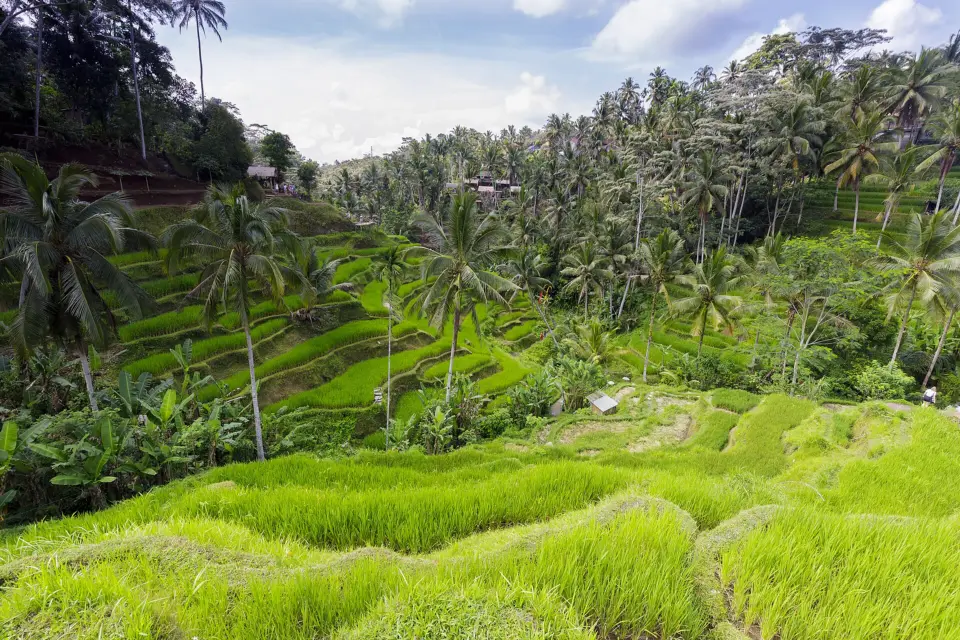
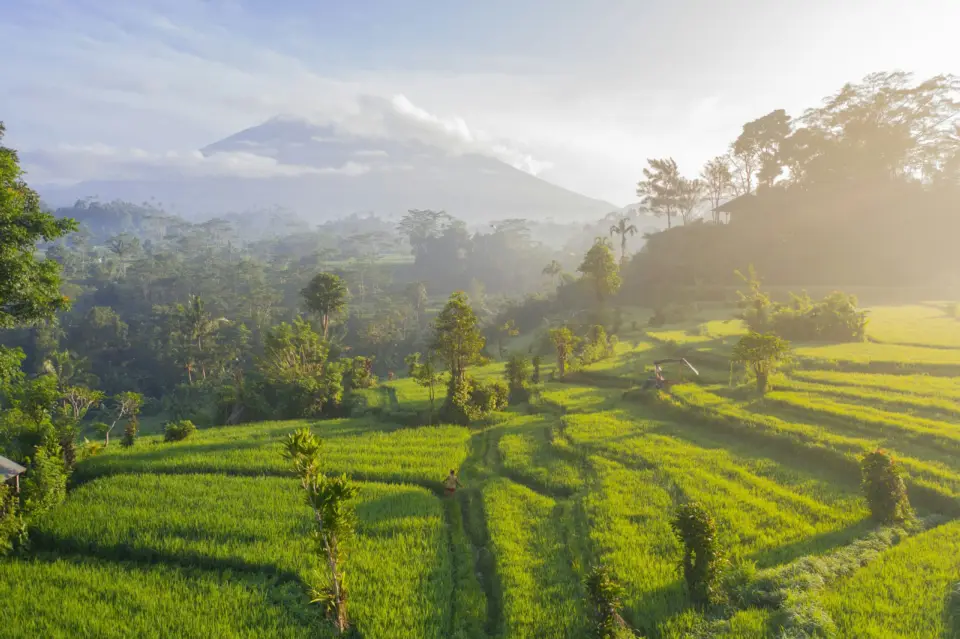
Tegalalang Rice Terrace
- Cost
- About IDR 25,000 to 50,000
- Best time
- Before 9 AM
- Our take
- Beautiful, but busy and commercial
-
Sacred Monkey Forest
- Cost
- About IDR 130,000
- Best time
- Opening, 9 AM
- Our take
- Fun, if you follow the rules
-
Tirta Empul
- Cost
- About IDR 75,000
- Best time
- At opening
- Our take
- The most meaningful temple nearby
-
Goa Gajah
- Cost
- About IDR 50,000
- Best time
- Any time
- Our take
- A quick stop with a carved cave
-
Tibumana Waterfall
- Cost
- Small fee
- Best time
- Morning
- Our take
- Easier access than many falls
-
Cooking class
- Cost
- Varies
- Best time
- Morning
- Our take
- Best with a market visit
-
Ayung rafting
- Cost
- Varies
- Best time
- Morning
- Our take
- Good for families and groups
-
Traditional dance
- Cost
- Varies
- Best time
- Evening
- Our take
- Ask at your stay for tonight’s show
Fees are the latest reported figures and can change. Bring cash.
Plan this trip
Partner links. Prices are approximate.

A simple three-day plan
Day 1: the town. Walk the Campuhan Ridge at sunrise, see the Monkey Forest when it opens, rest, and watch a dance in the evening.
Day 2: the north. Leave early for Tegalalang, continue to Tirta Empul, and have lunch with a view. Finish with a massage.
Day 3: a choice. Take a cooking class, go rafting on the Ayung, or do the Mount Batur sunrise hike if you have the energy.
Monkey Forest rules
Do not bring food, hide loose items, avoid eye contact and do not touch the monkeys. If you are bitten or scratched, wash the wound and get medical care the same day. Our health guide explains why.
Getting around Ubud
The centre gets jammed, and app pickups are restricted in places. Walk where you can, and hire a driver for the temples and terraces. A full day is good value when split between two or more people.
Book your Ubud days
Check recent reviews and what pickup includes.
Partner links. Prices are approximate.
Where to stay within Ubud
-
Central Ubud, Jalan Bisma and Monkey Forest Road
- Feel
- Walkable, busy
- Good for
- First visit, no transport
- Note
- Noisy traffic by day
-
Penestanan
- Feel
- Rice fields up a staircase
- Good for
- Yoga, cafes, quiet nights
- Note
- Steps with luggage
-
Nyuh Kuning
- Feel
- Village south of the Monkey Forest
- Good for
- Walking, calm
- Note
- Close to the centre on foot
-
Sayan and Kedewatan
- Feel
- Ayung river valley views
- Good for
- Resorts, honeymoons
- Note
- You need a driver
-
Tegalalang and Payangan
- Feel
- Jungle and terraces
- Good for
- Pool villas, seclusion
- Note
- 20 to 40 minutes out
Our [where to stay in Bali guide](/where-to-stay-in-bali/) compares Ubud with the coast.
Pick by what you like
-
Culture
- Do this
- Tirta Empul in the morning, a Legong or Kecak dance at night
-
Nature
- Do this
- Campuhan Ridge at sunrise, Tibumana or Tukad Cepung waterfall
-
Food
- Do this
- Market tour and cooking class, babi guling at lunch
-
Wellness
- Do this
- A yoga class, a Balinese massage, a sound healing session
-
Adventure
- Do this
- Mount Batur sunrise, Ayung rafting, cycling downhill from Kintamani
-
Art
- Do this
- Neka or ARMA museum, the woodcarvers of Mas and silversmiths of Celuk
Prices and opening times vary, so check on the day.
If it rains
Rain in Ubud usually comes in afternoon bursts. Keep these for wet hours: the ARMA and Neka art museums, a cooking class, a long Balinese massage, a batik or silver workshop, or a coffee in a café with a covered terrace. Waterfall paths get slippery, so go in the morning when it is dry. See our waterfalls guide for which ones have steps.
Evenings
Most of Ubud is quiet by 10 PM. Dance performances start around 7 to 7:30 PM at the Ubud Palace and several temples, and tickets are sold on the street during the day. After that, dinner and live music in a few bars is as wild as it gets. That is the point.
Ubud FAQ
How many days do you need in Ubud?
Three nights is a good balance. Stay longer if you want yoga or a slower pace.
Is Ubud worth visiting?
Yes, for rice fields, culture and food. Come for the surroundings rather than the busy centre.
Is Tegalalang worth it?
Yes, if you arrive early and expect a touristy site. Jatiluwih is quieter.
Can you swim in Ubud?
There is no beach, but you can swim at waterfalls and in hotel pools.
Where is the best place to stay in Ubud?
Central Ubud if you want to walk everywhere, Penestanan or Nyuh Kuning for quiet near the centre, and Sayan for river-valley resorts.
What to do in Ubud when it rains?
Visit the ARMA or Neka museums, take a cooking or silver class, book a long massage, and save waterfalls for the dry morning.
Ready to book?
The usual order: flights, first nights, airport pickup, insurance, data.
Partner links. Prices are approximate.
Updated

Aleks & Ria
Authors of ogo!bali
Built by an expat and an Indonesian local, ogo!bali delivers clear, fresh advice from both sides of the island. We blend local insider secrets with practical travel tips to help you explore with confidence.